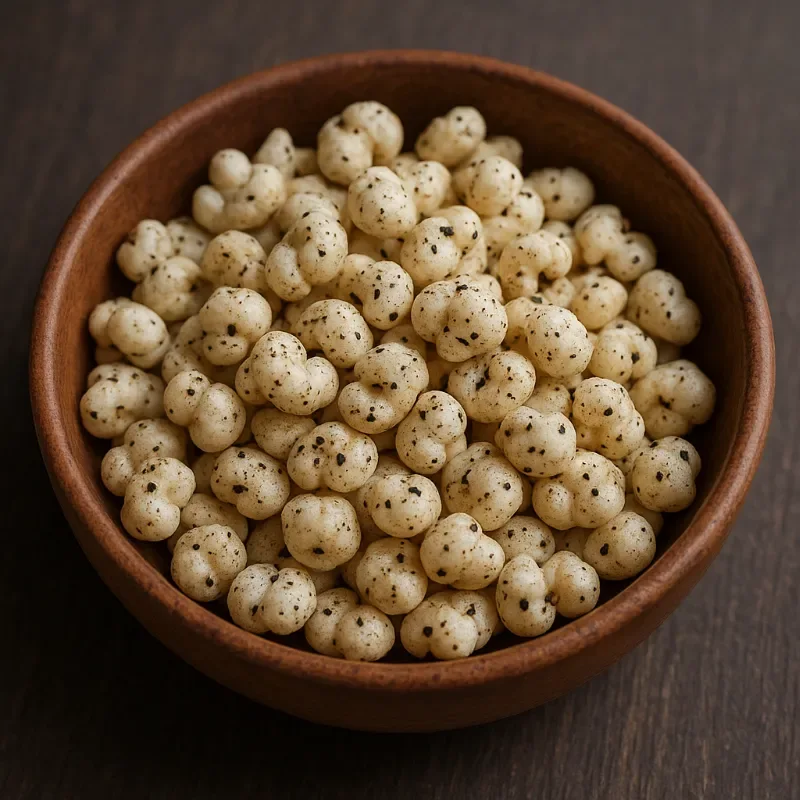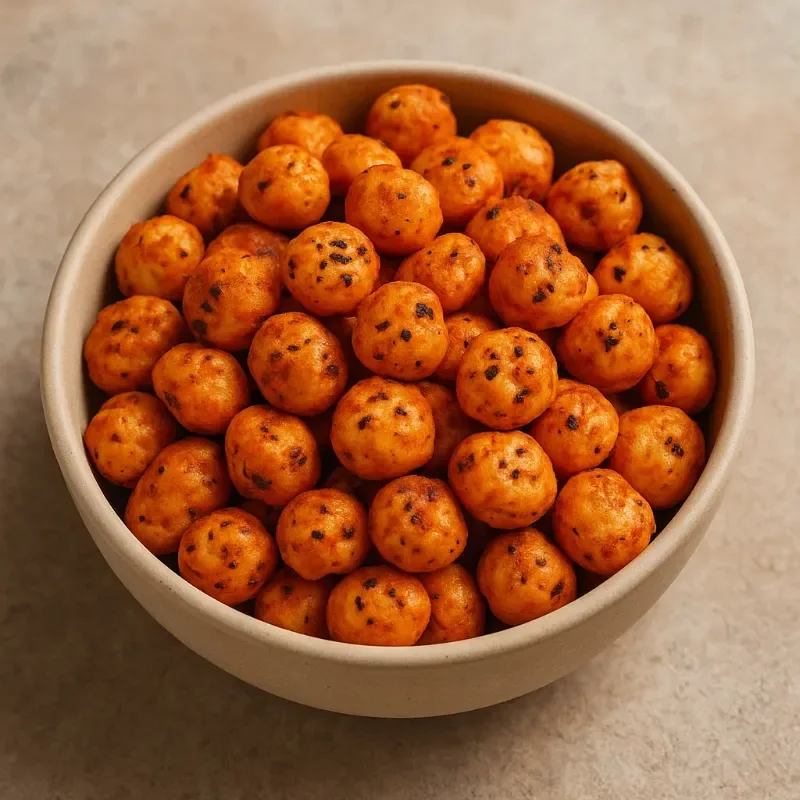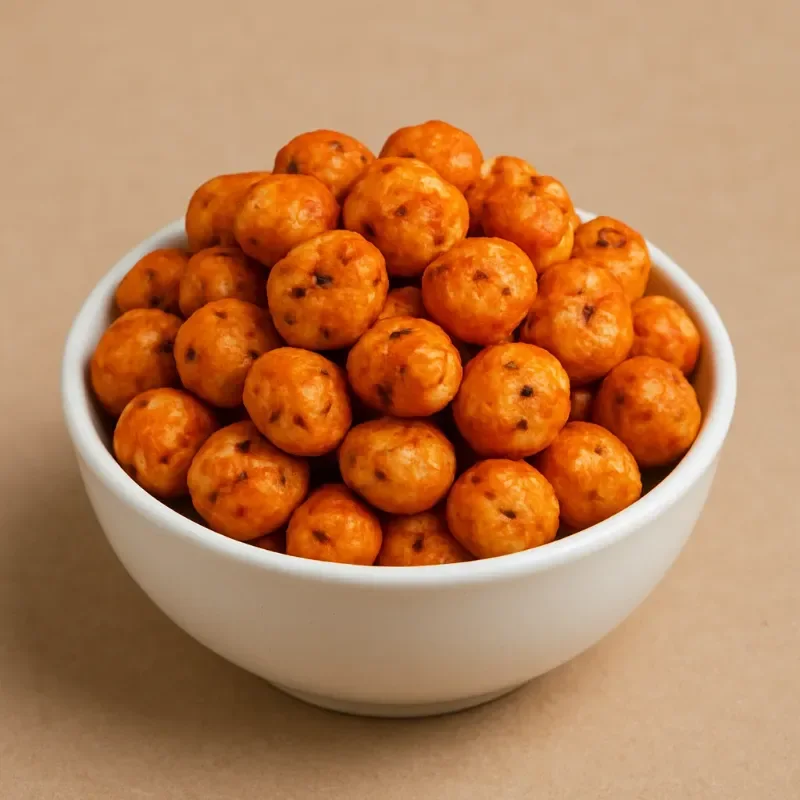

Cartons of Plain makhana and khakhra arrive at the office or the shop, the first pouch is opened on Monday, and by Friday the fox nuts have gone soft. That is almost never a product problem. It is a room, jar and spoon problem. Getting Bulk snack pouch storage right is what keeps a pantry, a wedding counter or a kirana shelf selling crisp snacks through the whole week instead of the first two days.
This guide covers the practical side: how long an opened pouch really lasts, how to decant and seal it in an Indian climate, how much to put out at a meeting or a party counter, and what to check on the pack before you commit to a bulk order.
Where the Softness Comes From
Humidity does most of the damage, and India makes it obvious. A pouch of roasted fox nuts opened on a monsoon morning in Mumbai or a humid Ahmedabad evening will lose its crunch faster than the same pouch in a dry Delhi winter room. Heat is the second culprit: it pushes the oil in nuts and granola toward a flat, stale taste. Light is the third, and it works slowly on everything from almonds to gathiya.
The three enemies therefore are moisture, heat and light, in that order. Every rule below is really a way of keeping one of those three away from the snack.
- Moisture. A damp spoon or an open pouch overnight is enough; roasted makhana and khakhra drink humidity and turn chewy within a day or two.
- Heat. A shelf above a gas range or beside a pantry microwave takes months off anything with oil in it, which is why nuts and granola should never sit in a warm corner.
- Light. A clear jar on a sunny counter tastes dull sooner, most visibly in flavoured almonds and chocolate granola.
Storage and Freshness Rules for Opened Packs
Once a pouch is opened, treat it as a seven to ten day item, not a month item. That single habit fixes most complaints. The table below shows the realistic window for each snack type once the seal is broken, assuming an airtight container and a dry spoon.
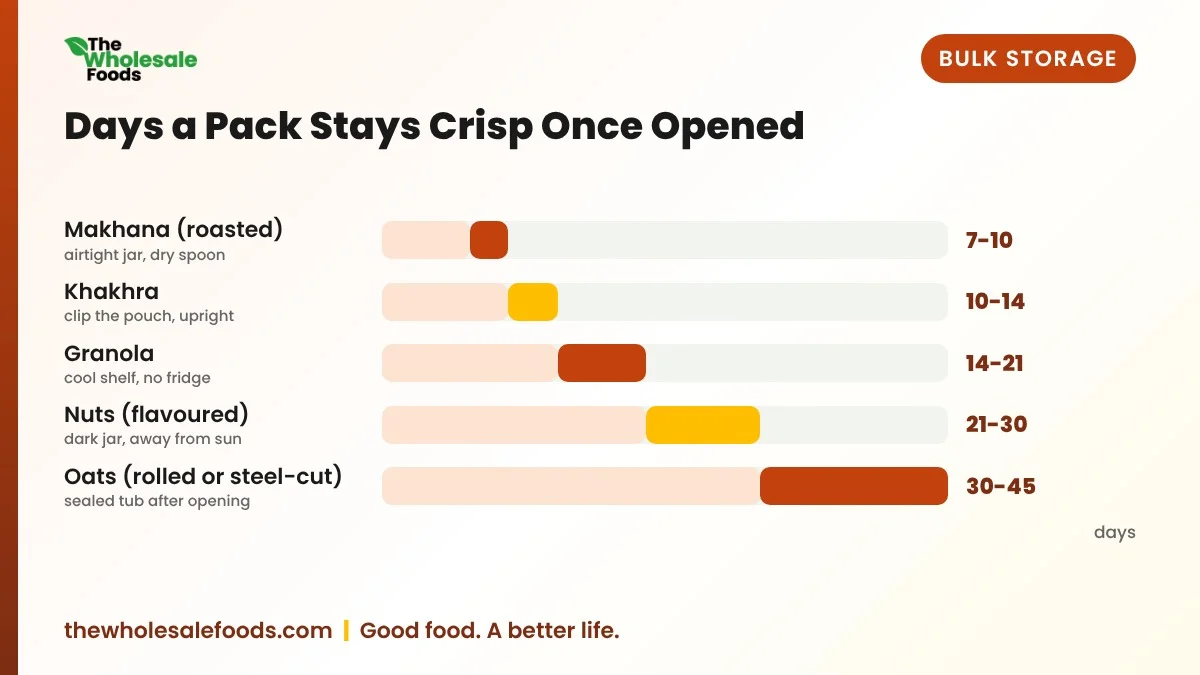
Unopened wholesale pouches keep far longer, typically six to nine months, and the exact best-before date is printed on every pack. Rotate stock so the oldest carton opens first, and write the opening date on the pouch with a marker. For the wider pantry picture, this Office pantry bulk guide covers what to stock and in what mix.
The Decanting Method for Big Pouches
The 10 pouches of 100 g that most wholesale packs come in are actually an advantage, because only one pouch is ever exposed at a time. When you do decant into jars, do it in one sitting rather than leaving bowls of snack out on the counter.
- Work on a dry day. Decant after the morning has dried out, not during a drizzle or right after mopping the floor.
- Use one wide funnel and a dry steel scoop. Wipe the jar with a clean dry cloth first; even a film of water on the glass shortens the crisp window by days.
- Fill jars only two-thirds. Leave headroom so you can close the lid fully after each serving without spooning around a full jar.
- Close every jar after each serving. Assign one person per shift in an office pantry, and keep the spare pouches sealed in the carton.
- Label with the batch and the opening date. A marker on tape stuck to the jar is enough, and it matters more than the brand name when you are reselling.
A snack does not go bad in a bulk pack. It goes bad in the two hours the lid stayed off.
Portioning for Pantries, Counters and Canteens
A 25-30 g serving is the number to plan around. It is one small handful, it looks generous in a paper bowl, and it keeps a tray from being emptied in one pass. The table below converts a single 100 g pouch into the number of bowls or trays you get at different counters.
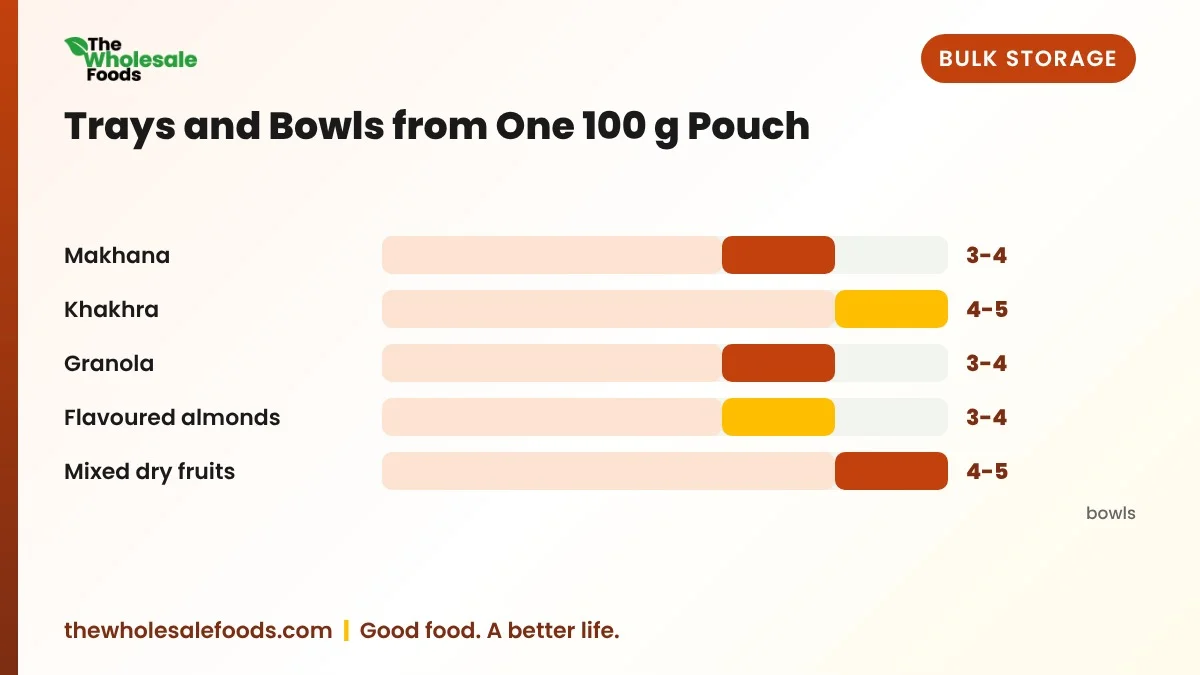
Say you stock the pantry for a 40-person office once a month. Put out about 1.2 kg of mixed snack across the day, which is roughly 40 to 48 servings, and keep the rest sealed in the store room. Refill twice rather than filling one big bowl three times, because a bowl that sits out for six hours is the one that goes soft. For a canteen serving a hundred at a time, the same math scales in This canteen snack menu plan.
Small paper bowls of 50 ml, a steel scoop marked at 30 g, and one tray per 10 people are the three tools that make portions consistent without anyone weighing anything.
Enjoying this read? Get more like it.
Get fresh snack inspiration and updates from our team.
Shelf-Stable Snacks Worth Buying in Wholesale Packs
Long shelf life decides what you can hold in bulk without risk. Roasted makhana, khakhra and baked gathiya are the safest bets because they are dry. Nuts last longer still but carry oil, so they show age as taste rather than texture.
- Roasted makhana. Light and crowd-pleasing, with flavours from Himalayan salt to Tangy tomato; the Jain versions suit fasting and Jain-only pantries.
- Khakhra. Flat, stackable and the easiest item to display on a counter; keep Methi and Masala together for variety.
- Granola and oats. Original granola and Rolled oats suit hostel and breakfast corners, where the eating happens in the morning.
- Flavoured nuts. Peri-peri almonds and Salted cashews hold up well in dark jars and work for evening meetings.
If you are still deciding between items on texture, Baked versus fried snacks explains which ones stay crisp on an open display.
What to Check Before Buying in Bulk
Buy the storage plan before you buy the snack. Ask the supplier four things and you avoid most returns.
- Best-before date on every pouch. Not just the carton, because pouches from mixed batches expire at different times and one early pack can spoil a shelf.
- Ingredient and allergen list. Peanuts, tree nuts, milk and gluten should be visible on the pack, which matters for office pantries and school or hostel counters.
- Pack size against your serving rate. Ten pouches of 100 g is right for a 20-person pantry and wrong for a single-branch kirana shelf that moves three packs a week.
- FSSAI licence details of the seller. Any legitimate wholesale supplier should be able to share this; check the label for the licence number and the FSSAI logo.
- A sample before the full order. For gifting or an event counter, taste one pack of each flavour first and see how it holds up on day three in your own room.
For hampers and gifting specifically, This corporate snack gift box checklist covers what to include and what to leave out.
Storage Setups by Buyer Type
The same snacks need different handling in a home pantry, a shop and an event counter. Match your setup to yours.
- Office pantry. One display jar per snack plus sealed stock in a closed cupboard, refilled twice a day; keep the store room off the kitchen exhaust line.
- Kirana or cafe shelf. Leave resale packs sealed and sell the pouch as it is; open only one pack for tasting, and keep it away from the window.
- Wedding or party counter. Small batches in steel bowls, refreshed every 90 minutes, with spare pouches clipped and stacked in a shaded box behind the counter. This wedding snack counter guide covers the mix itself.
- Hostel and canteen. Issue from a single serving point with a marked scoop rather than leaving tubs on open tables, which is where most waste starts.
- Home stock-up. Decant into two jars only, keep the rest in the original pouches, and store the carton in the coolest room, not above the fridge.
Common Storage Mistakes Worth Dropping
Most of these cost nothing to fix once you see them.
- Refrigerating granola or khakhra. The cold pulls moisture in the moment the box comes out, and the crunch never returns.
- Using the same scoop for sweet and salty. Sugar dust on a scoop makes salted makhana taste confused within a day.
- Stacking pouches flat in a deep pile. The bottom packs crack along the seal and breathe air; stand them in a crate instead.
- Tasting from the jar with a wet hand. One serving does not ruin a jar, but it ruins the jar for the next two days.
- Buying more than you can turn over. A bulk order that sits open for six weeks costs more in waste than a smaller order placed twice.
Conclusion
Good bulk snack pouch storage comes down to three habits: open one pouch at a time, decant into dry airtight jars on a dry day, and serve 25-30 g at a time so nothing sits out long enough to soften. Do that and the same makhana, khakhra, granola and nuts that arrive wholesale will still taste fresh on the last day of the month, whether they are going into a tiffin, a meeting tray or a gift box.
Browse the Makhana range, the Khakhra range and the Nuts and dry fruits range, or visit the Shop. For a bulk order, a sample pack or a storage plan for your pantry, send your requirement through Quick Order or write to us at Contact.
Disclaimer: This article is general food and nutrition information, not medical advice. People with health conditions or allergies should follow their doctor's advice.